E-commerce has shattered geographical barriers, allowing businesses to reach customers across the globe. However, language remains a key challenge—what good is a product listing if potential buyers can’t understand it? Enter AI-powered translation technology, a game-changer that breaks down linguistic walls and enables seamless global transactions. From product descriptions to customer support, AI-driven translation tools […]
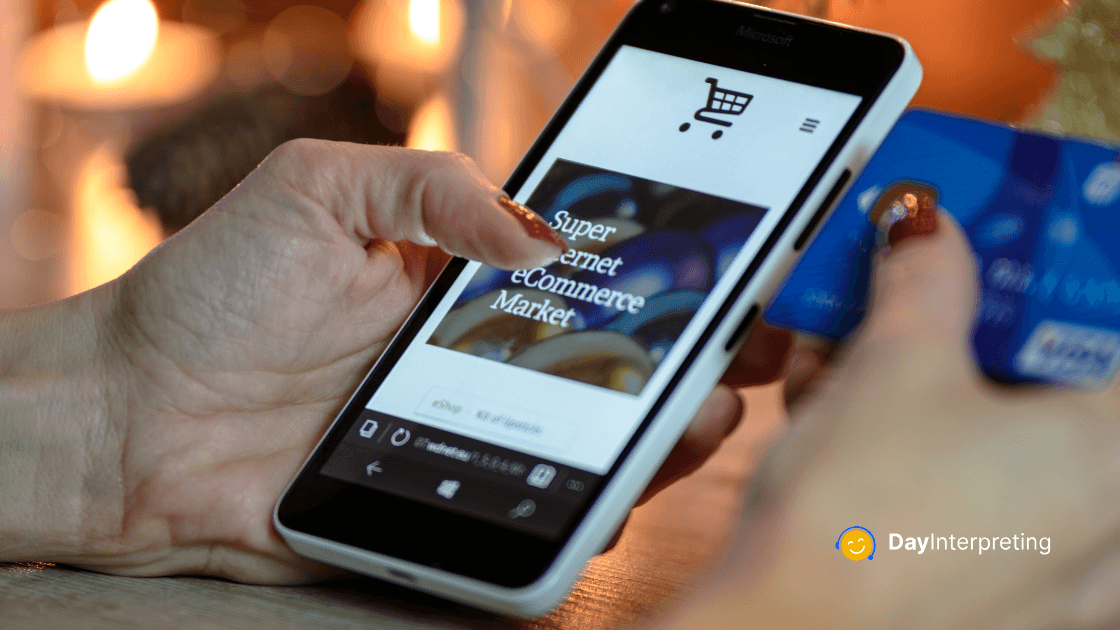
E-commerce has shattered geographical barriers, allowing businesses to reach customers across the globe. However, language remains a key challenge—what good is a product listing if potential buyers can’t understand it? Enter AI-powered translation technology, a game-changer that breaks down linguistic walls and enables seamless global transactions.
From product descriptions to customer support, AI-driven translation tools are reshaping the way online retailers communicate with international shoppers. But how exactly does this technology impact e-commerce, and is it truly as effective as it seems?
A product’s success depends on how well it is presented to customers. AI-powered translation technology ensures that product descriptions, specifications, and marketing materials are accurately translated into multiple languages. This increases accessibility for non-English-speaking customers, boosting engagement and conversions.
Unlike traditional translation methods, AI-driven tools use machine learning and neural networks to understand context, ensuring that translations are not just literal but also culturally relevant.
One of the biggest hurdles in global e-commerce is providing real-time customer support in different languages. AI-powered chatbots and automated translation tools help businesses offer 24/7 multilingual support, making it easier to handle inquiries, complaints, and order tracking without human intervention.
This improves customer satisfaction and reduces response times, giving international shoppers a smoother experience.
Hiring professional translators for every language can be expensive and time-consuming. AI-powered translation technology drastically cuts costs by automating the process while maintaining reasonable accuracy. Although human oversight is still essential for quality control, AI translation significantly reduces the workload, allowing businesses to allocate resources more efficiently.
To succeed globally, e-commerce businesses must rank well in search engines across different languages. AI-powered translation technology helps optimize multilingual SEO by ensuring that translated content is not only accurate but also search-engine friendly.
By tailoring keywords and product descriptions to different markets, businesses can improve visibility and attract more organic traffic from international audiences.
AI-powered translation technology is continuously evolving, with advancements in natural language processing (NLP) making translations more contextually accurate. Future developments will likely see even more seamless integration between AI and human translation, ensuring that global e-commerce remains both efficient and culturally relevant.
AI-powered translation technology is revolutionizing e-commerce by breaking language barriers, improving customer experiences, and optimizing costs. While it’s not without its limitations, its benefits far outweigh the drawbacks, making it an essential tool for businesses looking to expand globally. As AI continues to advance, the future of cross-border e-commerce looks more promising than ever.

Seldean is a multi-skilled content wizard that dedicates herself to writing content that goes beyond merely sparking interest in the audience.

Written by
Seldean SmithSeldean is a multi-skilled content wizard that dedicates herself to writing content that goes beyond merely sparking interest in the audience.
Get the latest articles on interpreting and language access delivered straight to your inbox.


