From Siri and Alexa to Google Translate and AI dubbing, it’s never been easier to sort of understand someone who doesn’t speak your language. And while AI interpreting and translation is impressive, it raises a big question: Can machines truly replace human interpreters? The short answer? Not yet. The long answer? Grab your headset; we’re […]
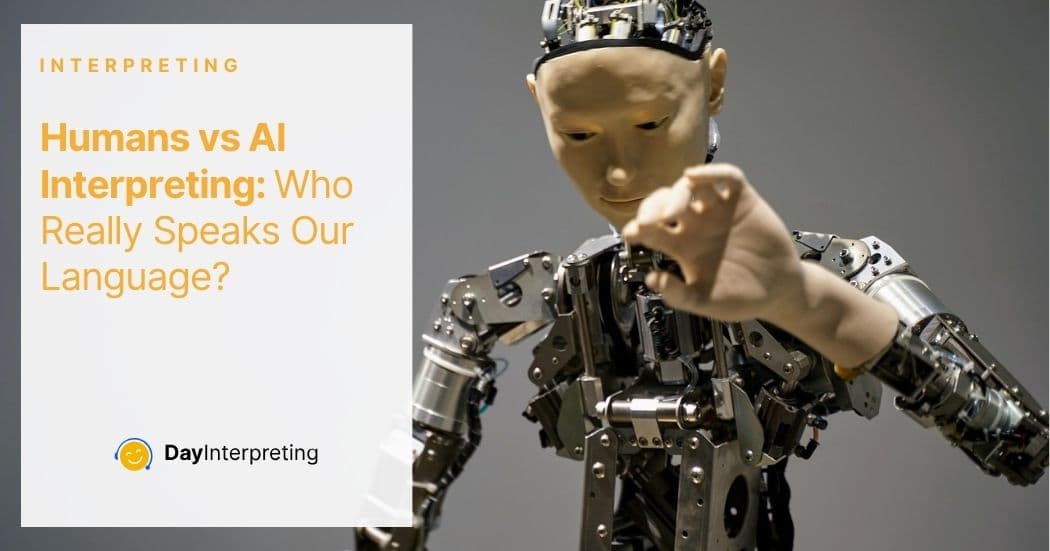
From Siri and Alexa to Google Translate and AI dubbing, it’s never been easier to sort of understand someone who doesn’t speak your language. And while AI interpreting and translation is impressive, it raises a big question: Can machines truly replace human interpreters?
The short answer? Not yet. The long answer? Grab your headset; we’re diving in.
AI-powered translation tools have made massive strides. They’re fast, accessible, and often surprisingly accurate for casual or straightforward conversations.
What They’re Great At:
But there’s a catch.
What They Struggle With:
Human interpreters aren’t just fluent in languages; they’re fluent in people. They adapt in real time to tone, facial expressions, audience, urgency, and culture.
A good interpreter:
Imagine this:
A doctor says to a nervous patient, “We’ll need to run more tests.”
AI: translates the sentence.
A human interpreter notices the patient’s fear, softens the delivery, pauses for questions, and reassures them, without changing the message.
That’s what real interpreting looks like. It’s human.
Instead of seeing AI as a rival, many professionals see it as a tool. Smart interpreters use AI to:
The future isn’t AI or interpreters; it’s AI with interpreters leading the way.
In high-stakes settings, like refugee interviews, hospital diagnoses, legal trials, or conflict resolution, there’s no substitute for human empathy, ethics, and intuition.
One wrong word could change a legal outcome, a business deal, or a life-saving treatment plan. Interpreters don’t just translate—they advocate, adapt, and connect people across complex, emotional terrain.
That’s not just tech. That’s talent.
AI is incredible. It’s getting smarter, faster, and more useful every day. But it doesn’t understand fear, humour, irony, or love. It doesn’t pause when someone cries, or find the right word when one doesn’t quite exist in the target language.
Human interpreters do.
And that’s why, even in a world full of robots and voice assistants, there’s still nothing like a skilled interpreter, someone who doesn’t just speak your language, but gets you.
And no machine can replace that.

Seldean is a multi-skilled content wizard that dedicates herself to writing content that goes beyond merely sparking interest in the audience.

Written by
Seldean SmithSeldean is a multi-skilled content wizard that dedicates herself to writing content that goes beyond merely sparking interest in the audience.
Get the latest articles on interpreting and language access delivered straight to your inbox.


