When most people think of interpreting, they picture conference booths, legal hearings, or business meetings. But in 2025, interpreters are increasingly stepping into a very different role, acting as linguistic first responders while interpreting in crisis zones. Whether during natural disasters, humanitarian aid efforts, or emergency evacuations, interpreters are becoming vital links between those in […]
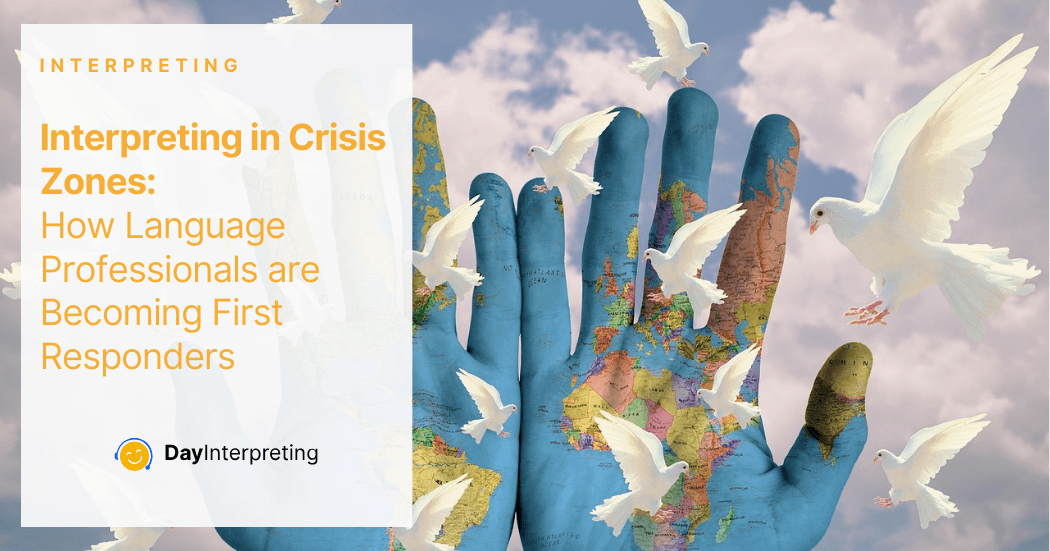
When most people think of interpreting, they picture conference booths, legal hearings, or business meetings. But in 2025, interpreters are increasingly stepping into a very different role, acting as linguistic first responders while interpreting in crisis zones. Whether during natural disasters, humanitarian aid efforts, or emergency evacuations, interpreters are becoming vital links between those in need and those trying to help.
Over the past year, the world has seen an increase in extreme weather events, refugee movements, and cross-border emergencies. This has placed interpreters on the front lines in unprecedented ways. When aid organizations arrive in areas where the local language is unfamiliar, communication barriers can delay life-saving action.
In these moments, interpreters are more than translators, they are information lifelines.
Crisis interpreters can be found:
Crisis interpreting isn’t just about linguistic accuracy, it’s about cultural precision. In a disaster, even small misunderstandings can cause panic or distrust. Interpreters must quickly explain cultural norms to foreign responders and help reassure communities under stress.
The work can be emotionally taxing. Interpreters often hear traumatic stories firsthand, witness distressing scenes, and manage high-stakes conversations. Many undergo specialized training in trauma-informed communication to navigate these challenges without compromising their mental health.
While many interpreters enter crisis work through NGOs, there’s now a growing movement to formalize crisis interpreting certification. Programs often include:
Organizations like the International Federation of Translators (FIT) and the Red Cross are beginning to collaborate on more structured training pipelines.
Crisis interpreters face unpredictable conditions—unreliable communication channels, security risks, and lack of rest. Many work in temporary setups with minimal equipment, relying on adaptability and improvisation.
For most, the motivation is simple: the work saves lives. A correctly interpreted sentence can mean a family gets shelter, a patient receives the right medicine, or an aid shipment reaches the right location.
Crisis interpreting highlights a side of the profession that rarely makes headlines but has immense social value. It’s not glamorous, and it’s not about flawless diction in a polished conference hall, it’s about clear, compassionate communication under pressure.
For language service providers, this growing field offers both a challenge and an opportunity:
Ultimately, crisis interpreting reinforces a core truth about the profession: interpreting is not just about words, it’s about connection, trust, and understanding when it matters most.

Milos is an experienced digital marketing and communication strategist, based in Bergamo, Italy. He is skilled in search engine optimization, content development and promotion, translation and localization. He is proficient in English, Italian and the Western Balkans languages.

Written by
Milos MilosevicMilos is an experienced digital marketing and communication strategist, based in Bergamo, Italy. He is skilled in search engine optimization, content development and promotion, translation and localization. He is proficient in English, Italian and the Western Balkans languages.
Get the latest articles on interpreting and language access delivered straight to your inbox.


