Live broadcast interpreting is one of the most demanding roles in the interpreting profession. Whether it’s covering breaking news, international events, or live interviews, interpreters must deliver accurate and culturally appropriate translations in real time. This high-pressure environment comes with unique challenges that require a blend of expertise, adaptability, and quick thinking. Why Live […]
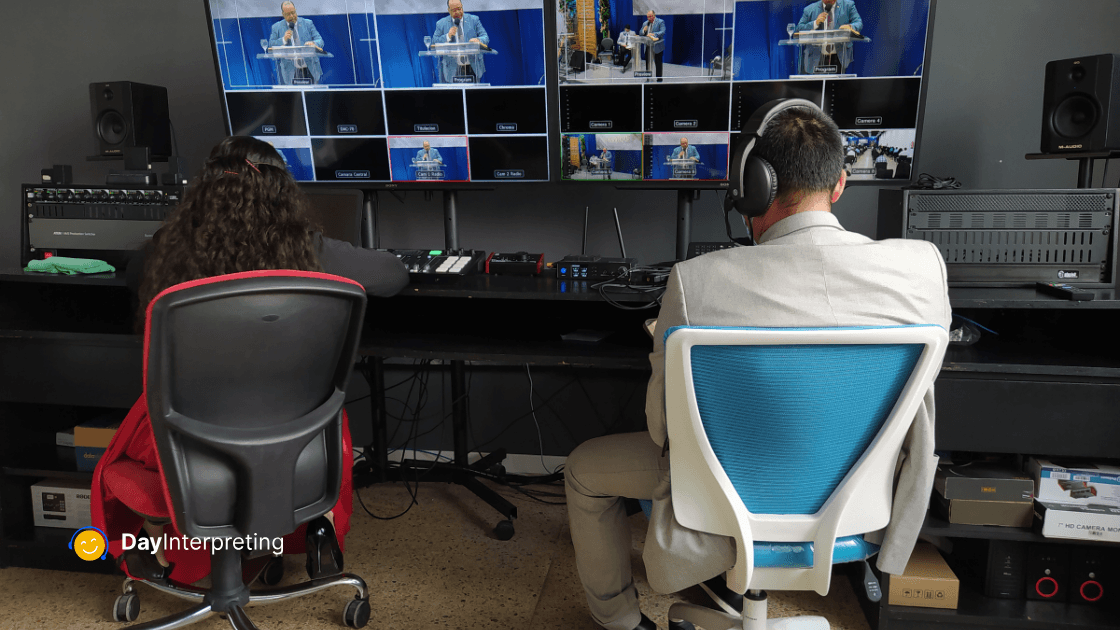
Live broadcast interpreting is one of the most demanding roles in the interpreting profession. Whether it’s covering breaking news, international events, or live interviews, interpreters must deliver accurate and culturally appropriate translations in real time. This high-pressure environment comes with unique challenges that require a blend of expertise, adaptability, and quick thinking.
Live broadcasts reach global audiences, making accurate interpretation critical to ensuring that viewers understand the content, regardless of language. Whether it’s a political speech, a sports event, or a high-profile interview, interpreters bridge language gaps, enabling meaningful connections and fostering inclusivity.
Unlike other forms of interpreting, live broadcast interpreters don’t have the luxury of time to analyze or rephrase content. They must:
This requires sharp concentration and the ability to think and speak at lightning speed.
Live broadcasts are inherently unpredictable. Interpreters must adapt to:
Interpreters working in live media settings often face technical difficulties that can disrupt their work, including:
Interpreters must provide a faithful and unbiased translation of the speaker’s words. However, this can be challenging when:
Live broadcasts can last for hours, testing an interpreter’s endurance. Interpreters must:
To navigate these challenges, interpreters need a specific skill set:
Preparation is key to success in live media interpreting. Here’s how professionals gear up:
Interpreters study the event’s background, key participants, and likely topics of discussion. This helps them anticipate terminology and context.
Reviewing scripts, videos, or past recordings allows interpreters to familiarize themselves with the speaker’s style and subject matter.
Creating a glossary of relevant terms, acronyms, and names ensures interpreters can deliver precise translations without hesitation.
Modern technology is making live interpreting more efficient and reliable. Tools like AI-powered transcription software, noise-canceling headsets, and real-time translation aids can help interpreters overcome some challenges. However, technology is no substitute for the human touch—interpreters’ cultural awareness and empathy remain irreplaceable.
When done well, interpreting for live broadcasts enhances communication and fosters global understanding. It:
Interpreting for live broadcasts and media is not for the faint of heart. It demands a rare combination of linguistic expertise, mental agility, and emotional resilience. By understanding the challenges and embracing preparation and technology, interpreters can excel in this dynamic field—bringing clarity to audiences and ensuring the message resonates across languages and cultures. In the fast-paced world of live media, interpreters truly are the unsung heroes of global communication.

Seldean is a multi-skilled content wizard that dedicates herself to writing content that goes beyond merely sparking interest in the audience.

Written by
Seldean SmithSeldean is a multi-skilled content wizard that dedicates herself to writing content that goes beyond merely sparking interest in the audience.
Get the latest articles on interpreting and language access delivered straight to your inbox.


