The world is full of sounds – from the soothing rustle of leaves to the rhythmic beats of music. But have you ever wondered how these sounds impact our minds? This article delves into the fascinating crossroads of phonetics and psychology, exploring the profound ways in which certain sounds can evoke emotions, trigger memories, and […]
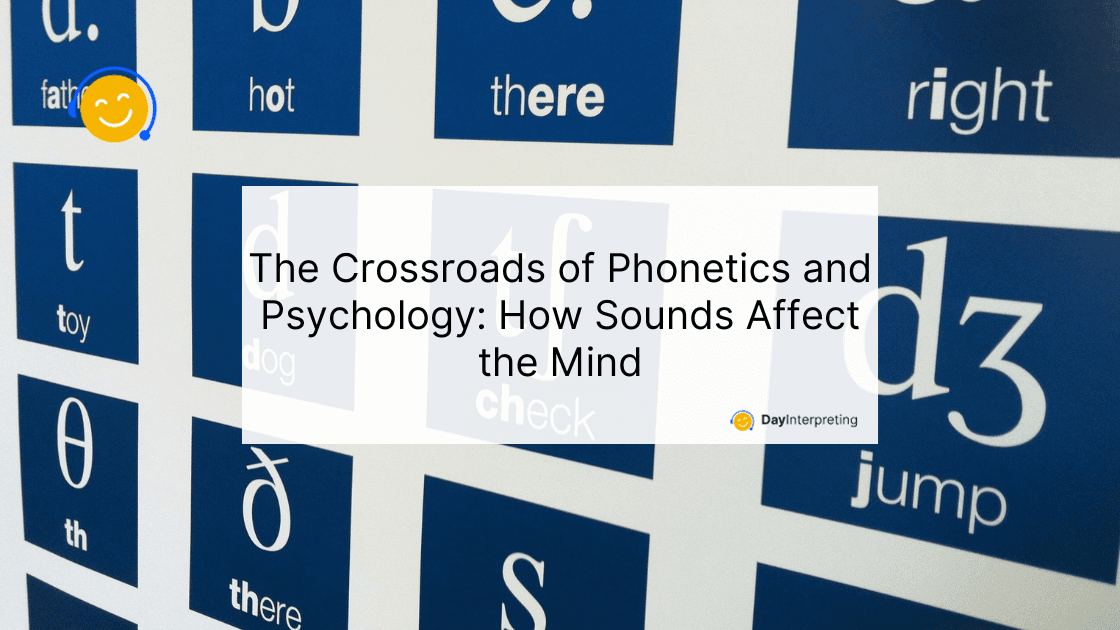
The world is full of sounds – from the soothing rustle of leaves to the rhythmic beats of music. But have you ever wondered how these sounds impact our minds? This article delves into the fascinating crossroads of phonetics and psychology, exploring the profound ways in which certain sounds can evoke emotions, trigger memories, and influence our perceptions.
Before we unravel the psychological aspects, let’s understand the fundamentals of phonetics. Phonetics is the study of the sounds of human speech. It encompasses the articulation of sounds (how they are produced), acoustic properties (how they sound), and auditory perception (how we hear them).
Different sounds are produced by manipulating the airflow through our vocal tract. The placement of the tongue, lips, and vocal cords plays a crucial role in creating the vast array of sounds that make up language.
The sounds we produce have unique acoustic characteristics. These include pitch, intensity, and duration, which contribute to the richness of human communication.
Our ears receive these sounds, and our brain processes them, allowing us to understand spoken language. This intricate system forms the foundation for the impact of sounds on our psychology.
One of the most apparent ways that sounds influence our emotions is through music. Different melodies, rhythms, and harmonies can evoke joy, sadness, excitement, or nostalgia. For example, a slow tempo and minor chords may create a melancholic mood, while a fast tempo and major chords can instill a sense of happiness.
Beyond music, the intonation and tone of spoken language also play a pivotal role in conveying emotions. A gentle tone might communicate empathy, while a sharp tone can evoke tension or anger. Understanding these nuances is essential for effective communication.
Certain sounds have the remarkable ability to act as memory triggers. This phenomenon is evident in our experiences with jingles, theme songs, or specific sounds associated with significant events. Exploring this connection between phonetics and memory provides insights into how sounds become imprinted in our minds.
Consider the sound of rain tapping on a window or the familiar hum of a childhood lullaby. These sounds can transport us back in time, invoking feelings of nostalgia. Understanding why certain sounds trigger nostalgic emotions helps us appreciate the intricate relationship between sound and memory.
The way we perceive the world is influenced by the language we speak, and phonetics plays a role in shaping these perceptions. The Sapir-Whorf hypothesis suggests that language influences thought, and variations in phonetics contribute to diverse worldviews across different cultures.
Sounds can also contribute to the formation of stereotypes. The way a person speaks, including their accent or pronunciation, can influence how they are perceived. Exploring the psychological implications of these perceptions sheds light on the intersection of phonetics and societal attitudes.
In conclusion, the crossroads of phonetics and psychology offer a captivating journey into the intricate relationship between sound and the human mind. From the emotional power of music to the role of sounds in triggering memories and shaping perceptions, this exploration underscores the profound impact that sounds have on our psychological experiences. As we continue to unravel the mysteries of linguistics and phonetics and its connection to psychology, we gain valuable insights into the intricate workings of the human mind.

Seldean is a multi-skilled content wizard that dedicates herself to writing content that goes beyond merely sparking interest in the audience.

Written by
Seldean SmithSeldean is a multi-skilled content wizard that dedicates herself to writing content that goes beyond merely sparking interest in the audience.
Get the latest articles on interpreting and language access delivered straight to your inbox.


