When it comes to designing digital experiences for global audiences, one thing is clear: language plays a huge role in shaping the user experience (UX) and user interface (UI). As brands expand into international markets, the way they use language on their websites, apps, and digital products can make or break the user’s experience. In this […]
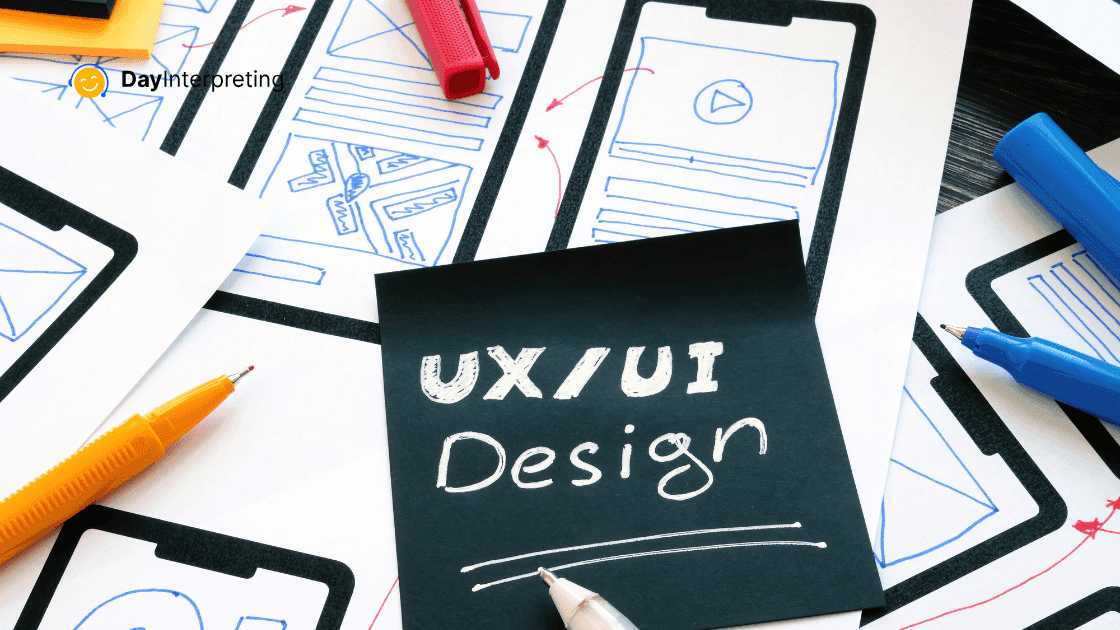
When it comes to designing digital experiences for global audiences, one thing is clear: language plays a huge role in shaping the user experience (UX) and user interface (UI). As brands expand into international markets, the way they use language on their websites, apps, and digital products can make or break the user’s experience. In this article, we’ll explore language in UX/UI design, why it matters, and what you can do to create a seamless, user-friendly experience for audiences around the world.
Language isn’t just about words—it’s about how people understand and interact with those words. When designing digital experiences for international users, the way you communicate can affect everything from how easy it is for them to navigate your site to how likely they are to convert into customers.
Here’s why language matters so much in UX/UI design:
UX design is all about creating an intuitive, seamless experience for users. When you add multiple languages to the mix, things get more complicated, but also more rewarding. Here’s how language can shape UX design:
Different languages have different word lengths and reading habits, which can influence how you design navigation menus, buttons, and layouts. For example:
Making sure your design can adapt to different languages while still being clear and easy to navigate is essential to a positive UX. At the same time, exploring UX Audit Solutions can help identify areas where your design may struggle with clarity across languages.
Localization goes beyond translation—it involves adapting the content to fit the cultural and linguistic nuances of each target market. For example:
The language you choose should align with the audience’s expectations and cultural norms.
Microcopy refers to the small bits of text on a website or app—like error messages, notifications, or tooltips. It’s easy to overlook, but these tiny details play a major role in UX. Here’s why:
UI design focuses on the look and feel of the interface—everything from the buttons to the layout and colors. Language impacts UI design in a few key ways:
As mentioned earlier, different languages take up different amounts of space. For instance, “Submit” in English is short, but in languages like German, it could be longer, like “Absenden.” This text expansion or contraction can change the way your UI looks. If your buttons or text boxes aren’t flexible enough, you might end up with text that’s cut off or unreadable, leading to a poor user experience.
The font you choose for your design might work well for one language but not for another. Some fonts may not support characters from languages like Chinese, Arabic, or Russian. Plus, some languages require more space between letters or need different character sizes.
To avoid problems, ensure that the fonts you use are legible in multiple languages and are compatible with all the characters and symbols your audience may need.
Colors, shapes, and symbols have different meanings in different cultures, so the visual design of your UI should be adaptable for different markets. For example:
Your visual design should take these cultural differences into account to avoid potential miscommunication or discomfort.
Now that we’ve covered the impact of language on UX/UI design, here are some tips to help you optimize the user experience for global audiences:
Language is more than just words—it’s a powerful tool that shapes the way users interact with digital products. When designing for global markets, it’s important to consider how language impacts both UX and UI design. By focusing on clarity, cultural sensitivity, and localization, you can create an experience that resonates with users no matter where they are from.
A well-designed, language-optimized product will not only enhance the user experience but also build trust and loyalty with your global audience. So, take the time to understand the role of language in your design and make sure your digital products are ready to welcome users from around the world.

Seldean is a multi-skilled content wizard that dedicates herself to writing content that goes beyond merely sparking interest in the audience.

Written by
Seldean SmithSeldean is a multi-skilled content wizard that dedicates herself to writing content that goes beyond merely sparking interest in the audience.
Get the latest articles on interpreting and language access delivered straight to your inbox.


